MOLD TOXICITY
The Practice of Health and Wellness
Internal Medicine & Functional Medicine Specialist located in Thomaston, CT
Exposure to mold and biotoxins can lead to chronic inflammation, fatigue, brain fog, sinus issues, immune dysfunction, hormone imbalances, and unexplained symptoms that are often overlooked or misdiagnosed. At The Practice of Health and Wellness in Thomaston, Connecticut, Pamela Cipriano, DNP, APRN, specializes in identifying and treating mold-related illness using a functional and integrative approach that focuses on uncovering the root cause of symptoms. If you suspect mold may be affecting your health, call the office or request an appointment online today.
Mold Toxicity Q&A
What is mold toxicity?
Mold toxicity, also known as biotoxin illness or Chronic Inflammatory Response Syndrome (CIRS), occurs when exposure to mold and environmental toxins triggers inflammation and immune dysfunction in the body.
While some people recover quickly after exposure, others experience persistent symptoms because their bodies struggle to properly eliminate toxins. Mold exposure can occur in homes, workplaces, schools, or buildings with water damage, poor ventilation, or hidden moisture issues.
Mold toxicity can affect multiple systems in the body, making it difficult to diagnose without specialized knowledge and testing.
What are the symptoms of mold toxicity?
Symptoms vary from person to person and can often mimic other chronic illnesses. Common symptoms include:
-
Chronic fatigue
-
Brain fog and memory problems
-
Headaches or migraines
-
Sinus congestion and chronic cough
-
Muscle aches and joint pain
-
Dizziness or sensitivity to light
-
Anxiety, depression, or mood changes
-
Digestive problems
-
Hormonal imbalances
-
Sleep disturbances
-
Skin rashes or sensitivity
-
Shortness of breath
-
Increased sensitivity to chemicals, foods, or smells
Many patients suffering from mold toxicity feel dismissed because standard lab work often appears “normal” despite ongoing symptoms.
How is mold toxicity diagnosed?
Pamela Cipriano, DNP, APRN, takes a comprehensive and functional medicine approach to identifying mold-related illness.
Diagnosis begins with a detailed review of:
-
Medical history
-
Environmental exposures
-
Current symptoms
-
Immune and inflammatory patterns
-
Previous illnesses and chronic infections
Advanced testing may include:
-
Functional medicine lab testing
-
Inflammatory markers
-
Mycotoxin testing
-
Hormone and adrenal evaluation
-
Gut health assessment
-
Nutritional deficiencies
-
Genetic and detoxification pathways
The goal is to identify how mold exposure is affecting your body and develop a personalized treatment strategy.
How is mold toxicity treated?
Treatment focuses on reducing inflammation, supporting detoxification pathways, strengthening the immune system, and helping the body recover from chronic exposure
Treatment plans may include:
-
Reducing or eliminating mold exposure
-
Detoxification support
-
Nutritional therapy
-
Gut healing protocols
-
Immune system support
-
IV vitamin and mineral therapy
-
Targeted supplementation
-
Hormone balancing
-
Anti-inflammatory protocols
-
Lifestyle and environmental recommendations
Because mold toxicity affects every patient differently, treatment is personalized based on your symptoms, history, and lab findings.
Who should be evaluated for mold toxicity?
You may benefit from an evaluation if you:
-
Have unexplained chronic symptoms
-
Feel worse in certain buildings or environments
-
Have a history of water-damaged home or workplace exposure
-
Struggle with chronic fatigue or brain fog
-
Have persistent inflammation or immune issues
-
Have not improved with traditional treatments
-
Experience worsening symptoms after illness, stress, or infection
Mold toxicity is often connected to other chronic health conditions, including Lyme disease, autoimmune issues, chronic inflammation, and hormone imbalances.
What makes The Practice of Health and Wellness different?
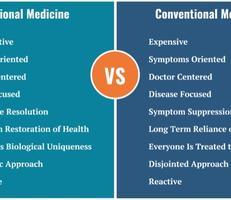
At The Practice of Health and Wellness, care goes beyond symptom management. Pamela Cipriano, DNP, APRN, focuses on identifying the underlying causes of chronic illness and creating individualized treatment plans designed to support long-term healing and wellness.
Patients receive compassionate, personalized care with a focus on restoring quality of life and helping the body function optimally again.
WHAT WE OFFER
Services